Replacement Windows Austin, TX
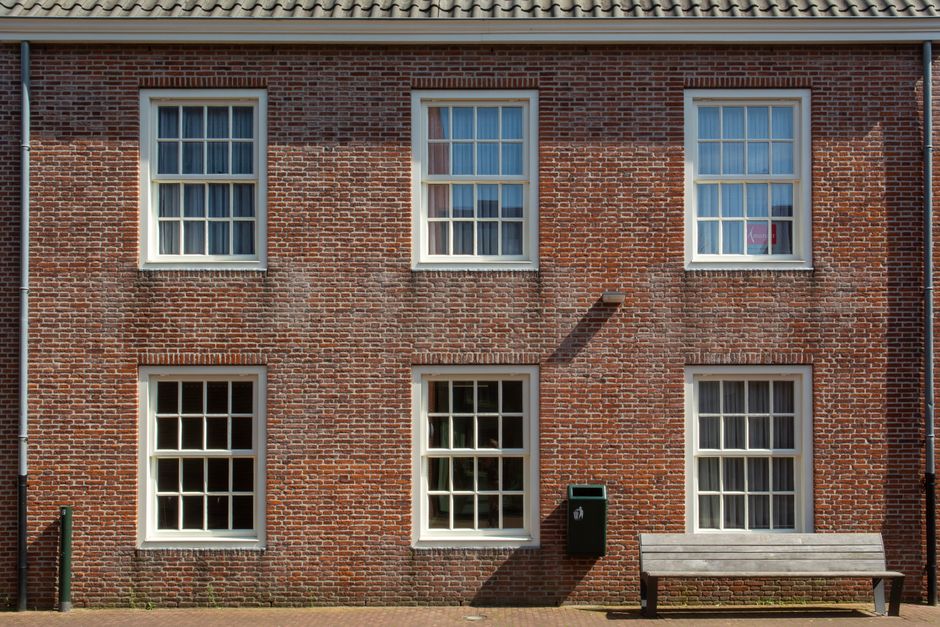
Notes on replacement windows in Austin, TX: frame materials, low-E glass and the signs an old window is finished, written from the crew side of the job.
What We Cover
- What a Fogged Double Pane Window Is Telling You Why moisture shows up between the panes, what seal failure means, and when a fogged unit needs replacing.
- Timing a Window Replacement Around Austin Weather How summer heat, spring storms and cold snaps change the schedule and the sequence on a replacement day.
- Choosing Low-E Glass for West-Facing Walls What a low-E coating and solar heat gain rating do on a west wall that takes the full Austin afternoon sun.
- Drafts, Rot and Sticking Sashes: When Windows Are Done The physical signs that an old window cannot be repaired, from soft sill wood to drafts on a still day.
- Vinyl or Fiberglass Frames for Austin Summers How vinyl and fiberglass window frames behave when Austin surface temperatures climb through a long Texas summer.
- Replacing Windows in Hyde Park and Travis Heights Bungalows Old wood sash, odd opening sizes and rot in the older houses around Hyde Park, Travis Heights and Clarksville.
Replacement Windows Austin, TX
Replacing windows in Austin, TX starts with the sun. A house in Tarrytown or on the bluffs above Lady Bird Lake takes the afternoon on its west wall for most of the year, and the glass on that wall does the hardest work in the building. The crew's side of the job is deciding which frame and which glass package belongs on which wall before a single sash comes out.
Frame materials for a hot climate
Vinyl, fiberglass, aluminum and wood clad frames all behave differently when a wall passes what a hand can touch. Vinyl moves the most, fiberglass the least, aluminum needs a thermal break, and a clad window keeps wood on the inside where an older house wants it. Hyde Park, Travis Heights and Clarksville bungalows often need that last option to keep their trim.
Glass packages and what the numbers mean
A double pane unit with a low-E coating and argon fill is the working standard here. The solar heat gain number matters more than the u-factor on a south or west wall, and a warm edge spacer helps the perimeter of the glass. Reading those labels is the quickest way to tell a window that will cool a room from one that only looks new.
Signs an old window is done
Fogged seals, soft sills, drafts on a still day and sashes that stick are the usual verdicts. Clay soils near the Balcones Fault keep older houses moving slightly, and that movement racks frames and wears out seals. The pattern repeats from Mueller to Bouldin Creek, and it is worth reading before deciding between repairing one unit and replacing the set.
Guides
The pages here cover frame materials in summer heat, low-E glass for west walls, fogged double pane units, older bungalow openings, scheduling around Austin weather and the signs a window has reached the end. Two longer articles go further into glass choice and the day-of sequence on site.
Latest Guides
Which Window Style Fits Which Room in an Austin House
The operating style of a window decides how it opens, how well it seals, how much glass it shows and what it costs the wall in framing. In Austin, where the same house has both a blazing west wall and a shaded north wall, one style rarely fits every opening. This page goes room by room.
Which window style seals tightest?
Casement and awning windows close by pressing the sash against the frame with a crank and a locking arm, so the weatherstripping is compressed evenly all the way round. Sliders and double hungs close by sliding past a seal, which leaves a thin path where air and dust can pass. In practice the difference shows up on windy days and on the hot side of the house, where a casement stays quiet and a worn slider whistles.
How do the common styles compare?
Style How it opens Strength Weak point Double hung Two sashes slide up and down Fits older houses, ventilates from the top Balances wear out, sash seal is a sliding one Single hung Only the bottom sash moves Simpler, fewer moving parts Top half cannot be opened for ventilation Casement Hinged at the side, cranks outward Tightest seal, catches side breezes Operator arm needs care, swings into a path Awning Hinged at the top, tilts outward Stays open in light rain Limited opening size Slider One sash slides sideways Wide openings, easy to reach over counters Track collects grit, weaker seal Picture window Does not open Most glass, fewest parts to fail No ventilation, big heat load on sun walls What goes in the kitchen and bath?
Over a kitchen sink, a casement is the usual answer in homes where the window is hard to reach, because one crank opens it fully. An awning window above a sink is another common choice, especially where it can stay open during a spring shower without letting water in. In a bathroom, privacy glass and a style that opens high on the wall matter more than the coating, and a single hung or awning in obscure glass keeps the room private from the street without blocking light.
What suits a bedroom?
Bedrooms have a safety requirement that decides the style. At least one window in each sleeping room has to open wide enough for a person to get out in an emergency, and the sill has to sit low enough to climb through. That rules out some awning and small slider options and favors a double hung, a casement or a wide slider. Older bungalows in Hyde Park and Travis Heights often have exactly this arrangement already, and a replacement has to keep it.
Where do picture windows make sense?
A fixed picture window makes sense where the view is worth framing and ventilation comes from somewhere else. Houses with a view over Lady Bird Lake or toward the hills near Mount Bonnell often have a big fixed center pane with a casement or a double hung on each side. The center unit takes the heat load, so its glass package deserves the most thought. A fixed unit has no moving parts, which helps it hold its seal, but a large pane in direct afternoon sun is also where a low solar heat gain coating pays back most.
When does a bay or bow window earn its place?
A bay window is a projecting unit with a flat center and angled sides, and a bow window curves with more panes. Both add floor space on a window seat, extra light from three directions and a stronger look from the street. They also bring their own weight, a roof or cap, and several joints that must stay sealed. On a west wall they collect more sun than a flat window, so the glass needs a hot-climate coating. In the older streets of Clarksville and Tarrytown, bays often go in at the front of a house where the original opening already had a wider frame.
What does a house look like with mixed styles?
Mixing styles across one house is normal and often better than forcing one throughout. The rule that keeps it looking consistent from the street is to match frame color, grid pattern and sightline width on the street-facing walls, and to let the back and side walls take whatever style suits the room. A double hung on the front and a casement on the kitchen side of the same house reads as one design if the frames are the same color and the glass has the same tint.
- Street-facing walls: keep the original style and grid pattern
- Kitchen and bath walls: casement or awning for easy reach and ventilation
- Bedrooms: confirm the opening is large enough to exit through
- West and south walls: choose the glass package before the style
Does style change the frame material choice?
It can. A casement and an awning put more load on the hinge and operator, so a stiff frame such as fiberglass or a well-reinforced vinyl holds the alignment better than a thin extrusion. A wide slider in aluminum needs a thermal break to avoid a hot frame, and a double hung in wood needs paint or cladding to resist moisture at the sill. Bay and bow windows are usually built in the same material as the rest of the house so the joints expand together.
What about hardware, screens and the details that wear first?
Hardware is where operating windows fail before the glass does. Crank handles, operator arms, locks and sash balances carry the moving load, and a cheap one wears loose in a few summers. Look at the lock first: it should pull the sash tight against the seal, not just hold it shut. Screens sit on the inside of a casement and the outside of a double hung, which changes how they are cleaned and how they weather. A screen on a sun-baked wall goes brittle sooner than one in shade.
How much glass should a wall carry?
More glass means more light and more heat gain. A west wall with a wide picture window and two casements takes in a great deal of afternoon sun, while a shorter row of tall narrow windows lets in daylight with less area exposed. Reducing the glass area on the hottest wall is a legitimate design choice during replacement, and a narrower frame style can raise or lower the glass share without changing the opening.
How does the site change the pick?
A house near Zilker Park or Barton Springs Pool sits in a moist, shaded zone where wood sills take punishment, so clad or fiberglass frames in a style that drains well make sense. A house up toward the Balcones Fault ridge sits on rockier ground with more wind exposure, and tight-sealing casements perform well there. Along the Colorado River and Bouldin Creek, humidity favors frames that do not swell. The style should follow the exposure and the room, in that order.
Pick the style for how the opening will be used, then pick the glass for the wall it sits on.

Window Questions Austin Homeowners Ask Before Replacing
Most window questions in Austin start in the same place: a room that will not cool down by late afternoon, or a sash that has stopped moving. The answers below come from the practical side of replacement work, where the glass, the frame and the wall all have to agree.
Why does one room stay hot when the rest of the house is fine?
Almost always it is a wall that faces west or south with a large piece of glass and nothing to shade it. The sun comes in at a low angle in the afternoon, passes through the pane, and warms floors and furniture, which then give the heat back to the air. A shade tree helps. So does an overhang. Neither is a substitute for glass with a hot-climate low-E coating, which turns away much of that energy before it gets in.
Check the other rooms on the same wall before assuming one window is the culprit. If every room on that side runs hot, the fix is the wall, not a single unit.
Does a fogged window always need replacing?
Not always. Fog between the panes means the sealed unit has failed, but the frame around it may still be sound. In that case a new glass unit can go into the existing sash. Replacement of the whole window makes more sense when the frame is warped, the sill is soft, or several windows on the house have fogged within a few seasons of each other. A single fogged pane in an otherwise good wood window is a glass job.
Will new windows make the house quieter?
They often do, though not for the reason people expect. Noise comes in through gaps first and through glass second. An old double hung with loose weatherstripping leaks sound at the meeting rail and around the sash, and a tight new window closes those paths. Laminated glass, which has a plastic layer between two sheets, cuts road noise further. That matters on busy through streets and on the louder blocks around Hyde Park, and is rarely needed on a quiet cul-de-sac in the hills.
Is there a difference between a window that looks the same and one that performs the same?
Yes, and the label is where it shows. Two units with the same frame color and the same grids can carry very different coatings. The solar heat gain number says how much sun comes through. The u-factor says how quickly heat moves through the unit at all. For Austin, a low solar heat gain number on south and west walls does more good than a pretty u-factor on a wall that never sees the sun.
- West and south walls: lowest solar heat gain number available
- Shaded north wall: a slightly higher gain is fine, and lets in more daylight
- Large picture windows: glass package matters more than frame material
- Small bathroom and laundry windows: privacy glass first, coating second
What happens to wood trim and the old frame?
That depends on the method. A retrofit sets the new window inside the old frame, so interior casing and trim stay in place and paint touch-up is minimal. A full frame replacement takes everything out to the rough opening and gives the crew a chance to check for rot and rebuild the flashing. In older neighborhoods such as Clarksville and Travis Heights, where the interior trim is often part of the character of the house, the retrofit approach is common as long as the existing frame is sound.
Probe the lower corners of the frame with a screwdriver before choosing. Soft wood decides the question.
Do screens, grids and tint need to be chosen up front?
Yes, because they are hard to change later. Screens come in a standard mesh and a finer solar mesh that blocks some sun before it reaches the glass, which is useful on a west wall in a house with large windows. Grids, the bars that divide a window into small panes, can sit between the glass or on the surface of it, and they should match the style of the house from the street. A craftsman in Hyde Park looks right with a three-over-one pattern. A modern house near Mueller usually looks better with no grids at all.
Tinted glass is a separate option from low-E and often unnecessary, since a modern coating does the heat work without darkening the room.
Can windows be replaced in the summer?
They can, and in central Texas most replacement work happens in hot months because the weather is predictable. The practical changes are scheduling and sealant. Crews take the hottest walls in the morning, keep the openings small and covered, and use sealants rated for the temperature. A spring storm is the bigger risk than July heat, since a wall left open when a squall comes off the Texas Hill Country is the worst place to be caught.
How long should a replacement window last?
The frame and the glass unit age on different clocks. A fiberglass or good vinyl frame can outlast the sealed glass inside it by years, which is why seal failure is the usual end of life for a double pane unit, rather than a broken frame. Wood needs paint or cladding to stay sound. Aluminum frames with a thermal break hold up well but need the break itself to stay intact. A unit that has been in full afternoon sun every summer works harder than one on a shaded wall, so two windows installed on the same day may not finish together.
What should be checked on the day the windows go in?
A short list covers most of it. The new unit should sit level and plumb in the opening, with even gaps around the frame before foam goes in. The sash should open and lock without force. Flashing should lap correctly, with the top piece over the one below it so water runs out and not in. Foam should be low expansion, so it does not bow the frame. Sealant should be tooled smooth, not smeared.
- Check each sash by opening and closing it three times
- Look at the corners from the outside for gaps
- Run a hand along the interior trim for drafts on a breezy day
- Confirm the glass label matches the order for that wall
Houses that sit near the Balcones Fault, or on the clay that swells and shrinks across Travis County, are worth a second look at the corners a few months later, since small movement shows up in the first season.
Does the location of the house change the choice?
A little. A house on the bluffs above Lady Bird Lake gets wind and afternoon sun without much shade, so frame stability and a low heat gain coating matter. A house under old live oaks in Tarrytown or near Barton Springs Pool sees more shade and more moisture, which puts sill and frame rot higher on the list than heat. A house along the Colorado River near Bouldin Creek faces humidity and flooding questions that favor fiberglass or well-clad frames over bare wood.
The right window is the one chosen wall by wall, not the one chosen for the house as a whole.