Choosing Low-E Glass for West-Facing Walls
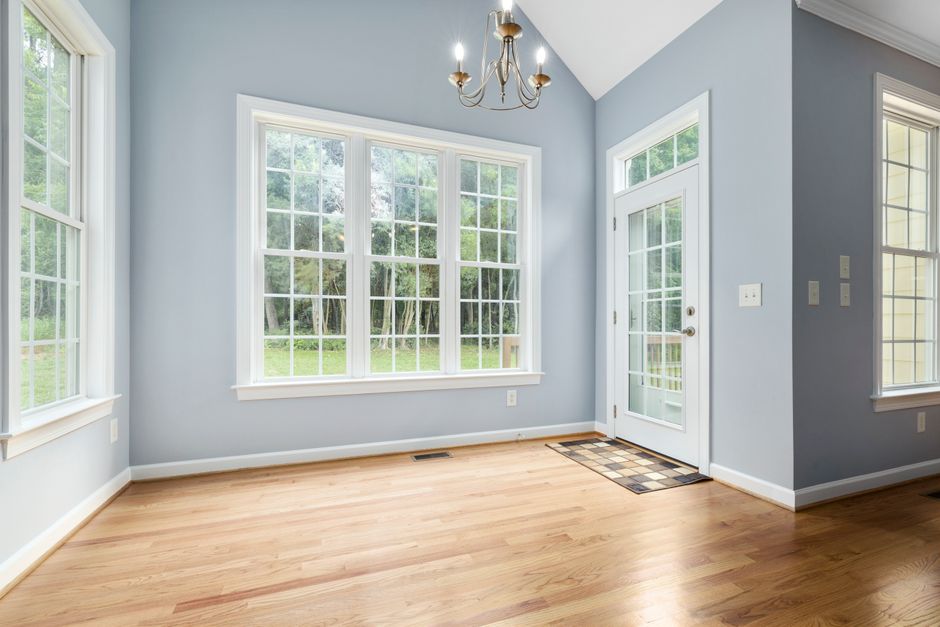
Two double pane units that look identical from the sidewalk can let very different amounts of afternoon sun into the room, as the notes at austin replacement windows heather fortner describe for west walls in Austin, TX. The difference is a microscopic metal coating, and it decides whether replacement windows make a house cooler or only newer.
What the low e coating actually does
A low e coating is a thin layer of metal oxide on one glass surface inside the sealed unit. It reflects heat while letting visible light through. Different coatings are tuned for different jobs. A cold-climate coating lets solar heat in to help warm the room. A hot-climate coating, the kind Austin wants, rejects most of that heat before it reaches the interior. Using the wrong one on a west wall is the most common glass mistake in older replacement jobs.
Reading solar heat gain and u factor
Two numbers on the label matter. The solar heat gain coefficient, written shgc, measures how much sun energy passes through. Lower is better in Austin. The u factor measures how fast heat moves through the whole unit regardless of the sun, and lower is better there too. The two pull against each other on some coatings, so on a west wall the shgc takes priority, because the sun is the larger load from May through September.
Double pane, triple pane and argon fill
Double pane insulated glass with argon fill is the working standard for central Texas. Argon is heavier than air and slows heat moving between the panes. Triple pane adds weight, cost and a thicker frame, and in a climate with mild winters it rarely repays that on anything except a noisy wall facing a busy street. A warm edge spacer at the perimeter of the unit reduces cold spots and condensation at the edges.
Which windows suffer most
A large picture window or a bay window on a west wall takes the most punishment, because the area of glass is large and nothing shades it. Houses along the bluffs above Lady Bird Lake and the Colorado River, and the long west-facing streets of Tarrytown, often have exactly that arrangement. A casement or an awning window seals tighter than a slider when closed, which also helps the whole unit hold its rating over the years.
Glass for different walls of one house
It is normal to specify more than one glass package on one house. West and south walls get the low solar heat gain coating. A shaded north wall can take a higher gain coating, which lets in more light. The frame, color and grids stay the same so the street face looks consistent. Fading of floors and furniture slows noticeably once the west wall has the right coating, which is the part homeowners notice first.