Timing a Window Replacement Around Austin Weather
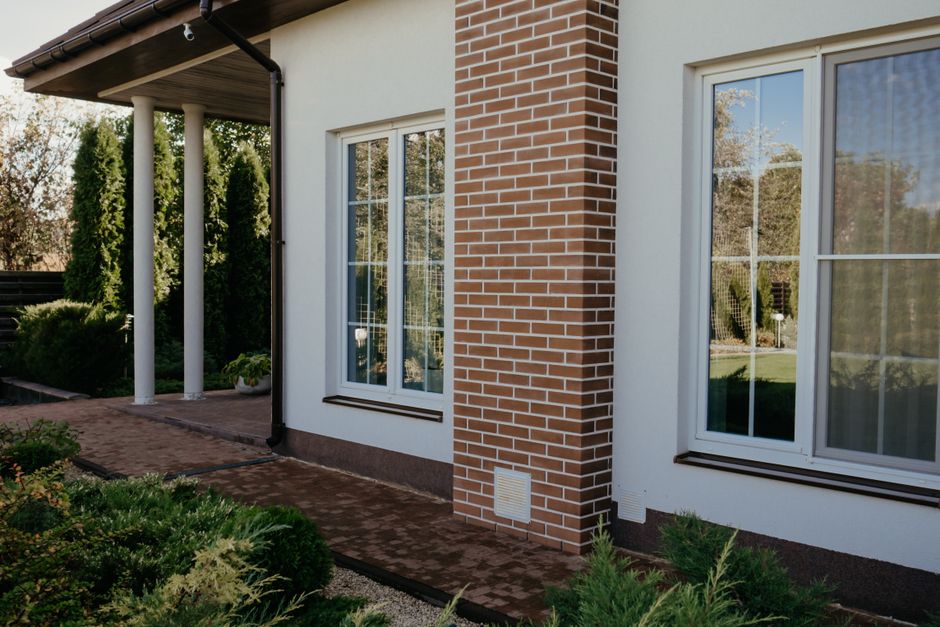
On a west wall in July, the order of work changes, because the glass and frame are too hot to handle by early afternoon. The scheduling approach in the notes at austin replacement windows heather fortner (written for replacement windows in Austin, TX) starts with the sun's path across the house before it starts with the window.
Summer starts early
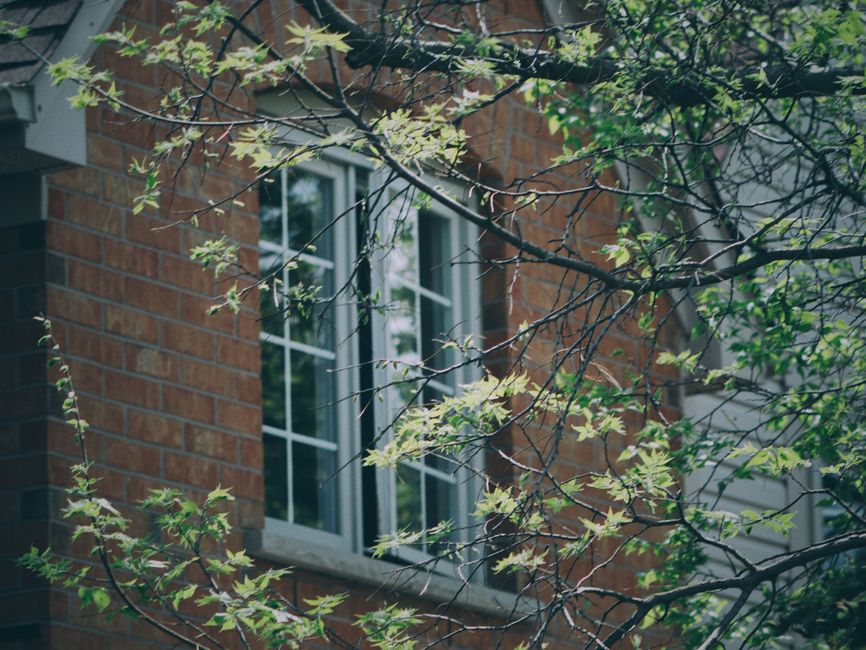
Triple digit afternoons make the west and south walls the hardest work of the day. Crews that know the area take those openings first thing in the morning, while the frame is cool, and move to the north and east sides after lunch. Vinyl window frames soften slightly when hot and sealants skin over too fast, so tooling a bead in full sun is a bad idea. Working with the heat rather than against it keeps the finish clean.
Spring storms and open walls
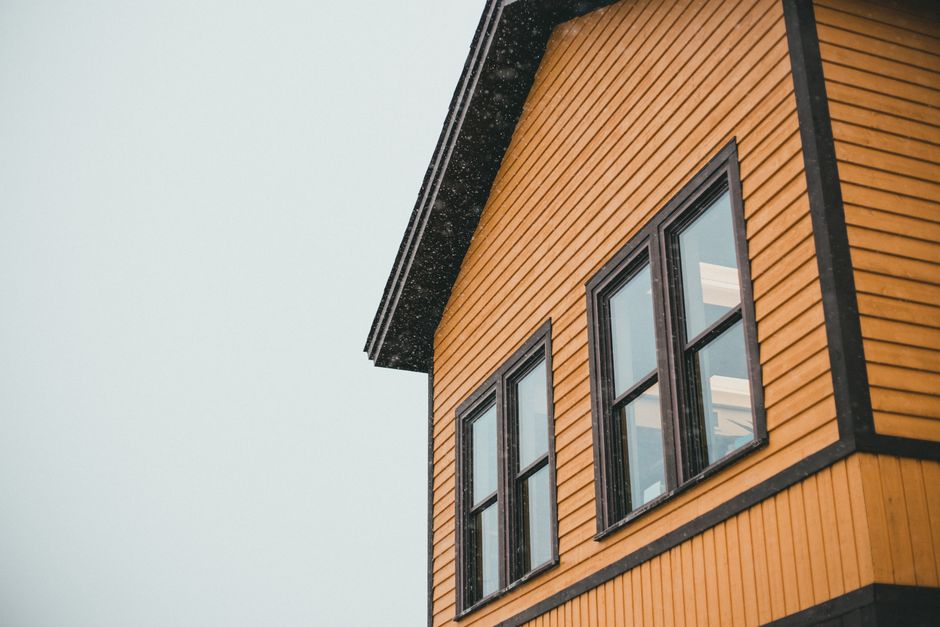
Central Texas storms arrive with little notice in spring. A wall with the old window out and the new one not yet set is the most exposed point in the day. Good practice is one opening at a time on the weather side, with the old unit never removed until the new one is on site and staged. A sudden squall off the Texas Hill Country is a reason to close an opening within minutes, not an excuse for a wet sill.
Sealant and foam need cure time
Low expansion foam, flashing tape and exterior sealant each have a working range for temperature and a time before they take rain. A fresh bead washed out by an evening shower fails years later. A fiberglass window set in cold weather also needs a gap sized for the season, since the frame will grow when the weather warms. Checking the forecast the day before and the evening of is a basic part of the job.
How many windows in a day
A crew of two usually finishes a full house of standard double hung, single hung and slider units in one to two days, working one wall at a time. A large bay window or a bow window takes half a day on its own, because of the support framing and the head and seat boards. A picture window over a long span needs more hands to lift the glass safely. Planning the hardest openings first leaves the easy ones for the end of the day.
Cold snaps and lead times
Winter is the quiet season, and openings take longer to seal in a hard freeze. Special orders with low e coating or an unusual casement size can run weeks before they arrive, so measuring in Hyde Park or Mueller in spring for a fall install is common. Booking around weather, not around the first available date, is what keeps the work dry and the finish tight.